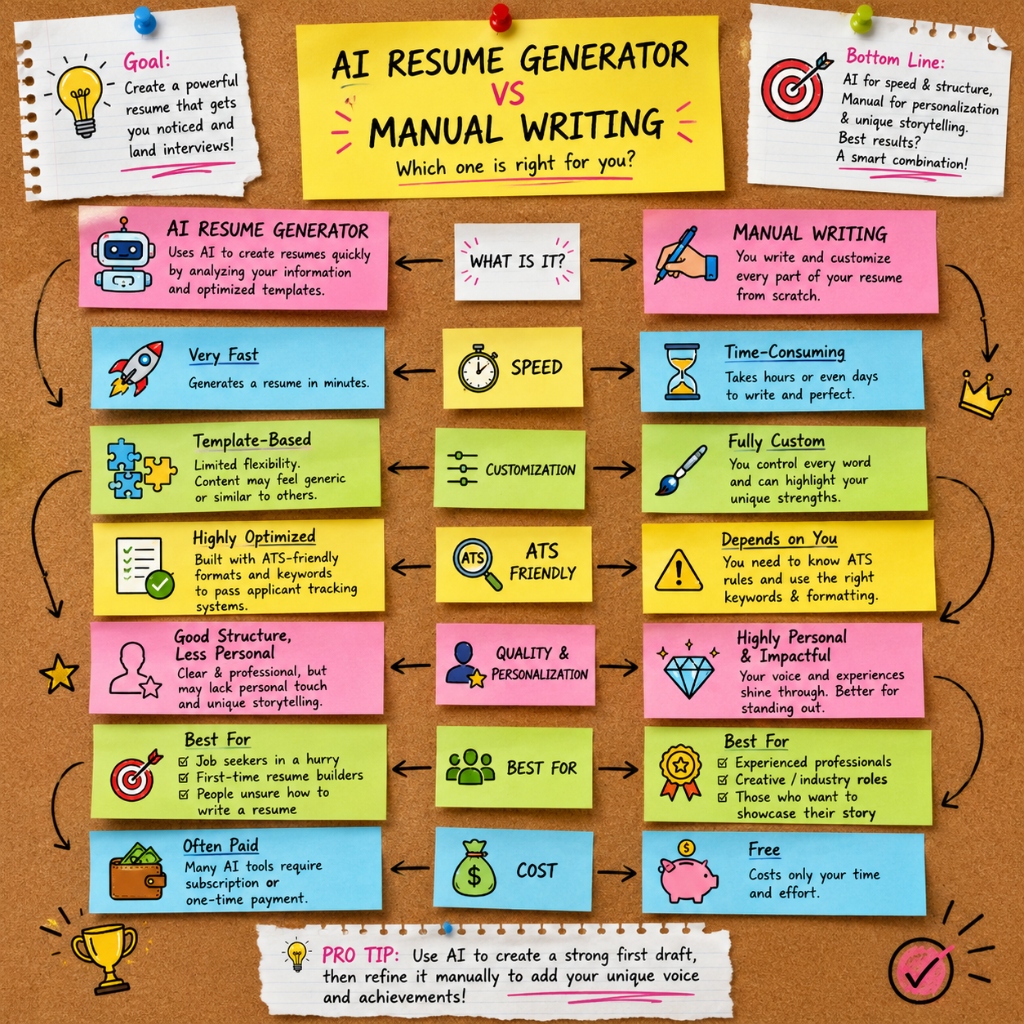
1. The AI Detection Myth vs. ATS Engineering Reality
A widespread myth has convinced thousands of qualified job seekers that uploading a resume touched by AI will result in an automated shadow-ban by corporate software. In reality, Applicant Tracking Systems were built as high-throughput parsing and database indexing engines—not forensic literary stylometry tools.
The core objective of an ATS is database ingestion: taking an uploaded PDF or Word document, converting text into structured fields (Name, Location, Skills, Past Employers, Education), and ranking candidates based on keyword relevance to the employer's requisition. No major ATS vendor—including Workday, Greenhouse, Taleo, SAP SuccessFactors, or Lever—has integrated automated AI detection gates that auto-reject applicants.
2. How Modern ATS Platforms Actually Evaluate Resumes
To understand why AI detection isn't part of the ATS pipeline, look at what the software actually measures when you submit an application:
| Evaluation Criterion | What ATS Checks | Does AI Help or Hurt? |
|---|---|---|
| Semantic Keyword Matching | Calculates cosine similarity between your skills and the job requisition | Helps — AI ensures exact terminology and acronyms are present |
| Section Hierarchy | Identifies standard headers (Experience, Skills, Education) | Helps — AI generators use strictly validated ATS semantic layouts |
| Impact & Quantification | Flags numeric tokens ($, %, time savings, scale metrics) | Helps — AI transforms duty statements into Google XYZ metrics |
| AI Authorship Detector | Checking if text was produced by an LLM | Not evaluated — 0% of major ATS platforms screen for AI authorship |
3. Why Commercial AI Detectors Are Unreliable in Recruitment
Many third-party AI detectors (such as GPTZero, Copyleaks, or ZeroGPT) produce notoriously high false-positive rates on resumes. Why? Because professional resume writing inherently demands concise, formal, and structured language—the exact stylistic signature that statistical perplexity models falsely flag as machine-generated.
HR and enterprise legal departments actively avoid deploying probabilistic AI detectors because false rejections invite significant legal risk under employment fairness regulations. If an enterprise rejected a human applicant because an unreliable third-party model claimed their resume was AI-generated, it creates massive compliance liability.
4. The Real Danger: 'AI Slop' vs. Quantified Accomplishments
While the ATS will not reject your resume for being generated with AI, hiring managers will reject you if your resume reads like low-effort generic AI slop. Common red flags that turn recruiters off include:
- Vague Superlatives: Phrases like 'Seasoned professional with a proven track record of synergizing cross-functional ecosystems' that say nothing specific.
- Missing Concrete Numbers: Bullet points without dollar figures, percentages, headcount, or performance metrics.
- Hallucinated Competencies: AI blindly including frameworks or tools that you have never touched.
The secret to standing out is using AI as an editor and accelerator for your genuine accomplishments, rather than letting it fabricate a persona. You can test your resume's readiness using our free ATS Resume Checker.
5. The Safe AI Resume Playbook for 2026
Follow this 4-step framework to harness the power of AI safely and maximize your interview callback rate:
- Feed Real Accomplishments First: Provide the AI with your actual raw metrics, project names, and responsibilities. Never ask it to invent experiences.
- Apply the Google XYZ Formula: Direct the AI to format each bullet point as Accomplished [X], as measured by [Y], by doing [Z].
- Contextual Keyword Insertion: Use our Job Description Matcher to extract the exact skills required by the target posting and naturally weave them into your experience.
- Export in Clean Single-Column PDF: Ensure your final download uses standardized vector PDF formatting from an ATS-engineered tool like AI Resume Builder.
Frequently Asked Questions (AEO Direct Answers)
Can Workday or Greenhouse tell if my resume was generated with ChatGPT?
No. Enterprise ATS platforms like Workday and Greenhouse parse your uploaded file into structured text tokens to evaluate skills, job titles, and experience duration against recruiter criteria. They do not run probabilistic AI detectors like GPTZero or Turnitin.
Will I get penalized or blacklisted for using an AI resume builder?
No. Employers encourage tools that produce clean, error-free documents. What recruiters penalize is hallucinated claims or generic, empty phrases. When an AI builder helps you articulate your genuine achievements into the Google XYZ format, it enhances your chances.
What actually gets AI-generated resumes rejected?
Resumes fail when they rely on generic filler phrases (e.g., 'spearheaded visionary synergies'), lack numerical metrics, or mismatch the specific technical keywords required in the job description.
How can I verify my AI-generated resume is ATS-safe?
Run your resume through a dedicated ATS Resume Checker to verify section readability, keyword match percentage, and clean typography before submitting.
Actionable Takeaways
- Enterprise ATS platforms (Workday, Greenhouse, Taleo) do not use AI detectors to disqualify candidates.
- Commercial AI detectors have high false-positive rates on resumes due to professional writing conventions.
- The true risk of using AI is producing generic, unquantified text that fails recruiter review.
- Use AI to structure real achievements with numeric metrics, not to fabricate experience.
Writing an article or blog post about career automation? Copy this clean HTML citation snippet to credit our research:
<a href="https://resume-builder.cv/blog/do-ats-detect-ai-resumes-2026">Do ATS Checkers Detect AI Resumes? 2026 Truth Study</a>